Nafeesa Parveen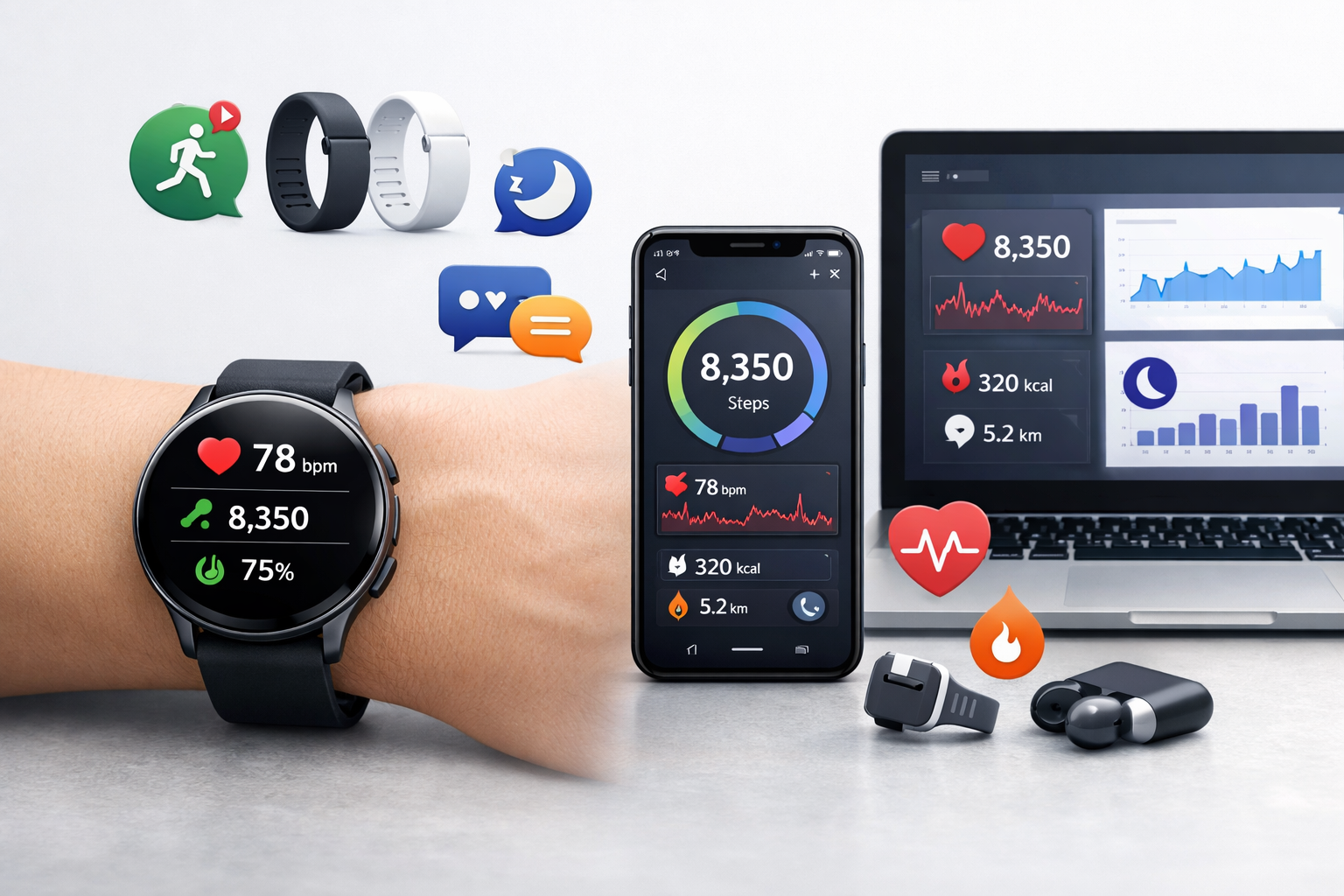
A modern smartwatch displaying health tracking features, wristband options, and smartphone connectivity explained in this complete buying guide.
What Is a Smartwatch? Best Smartwatch, Wristband Sizes & Blood Sugar Monitor Guide
In today’s fast-paced digital world, technology has become a part of our everyday lifestyle. One of the most popular and useful wearable gadgets today is the smartwatch. What was once just a device to tell time has now evolved into a powerful tool that helps you track your health, manage notifications, stay fit, and even improve productivity.
If you are planning to buy a smartwatch or simply want to understand how it works, this complete guide will answer all your questions, including:
- What is a smartwatch?
- Which smartwatch is the best?
- What are typical smartwatch wristband sizes?
- Is there a smartwatch that monitors blood sugar?
Let’s explore everything step by step.
What Is a Smartwatch?
what is a smartwatch? A smartwatch is a wearable electronic device designed to be worn on the wrist, similar to a traditional watch, but with advanced smart features. It connects to your smartphone using Bluetooth or Wi-Fi and allows you to access various phone functions directly from your wrist.
Unlike regular watches that only show time, smartwatches offer features such as:
- Call and message notifications
- Fitness and activity tracking
- Heart rate monitoring
- Sleep tracking
- Weather updates
- Alarm, timer, and reminders
- Music and camera control
In simple terms, a smartwatch acts as an extension of your smartphone, giving you quick access to important information without taking your phone out of your pocket.
How Does a Smartwatch Work?
Most smartwatches work by connecting to your smartphone through Bluetooth. Once connected:
- Incoming calls, texts, and app notifications are displayed on the watch
- Health data is collected using built-in sensors
- Fitness activities are tracked throughout the day
Advanced smartwatches may also include:
- GPS for accurate location tracking
- Wi-Fi for internet access
- eSIM/LTE, allowing the watch to work independently without a phone
Smartwatches use companion apps on your phone to sync data, customize watch faces, and manage settings.
Mislove Aur Meri Adhoori Kahani – Ek Sacchi Love Story
⭐ • Jab Mislove meri Zindagi me Aayi 🌸
8th class ka simple sa din tha…
Tabhi Mislove meri life me aayi.
Usko dekha aur dil kahin ruk sa gaya.
What Is the Best Smartwatch? – what is a smartwatch
The “best smartwatch” depends on your budget, smartphone type, and usage needs. There is no single smartwatch that is perfect for everyone.
Here are the key factors to consider when choosing the best smartwatch:
1. Smartphone Compatibility
- Android users should choose Android-compatible smartwatches
- iPhone users get the best experience with Apple Watch
2. Display Quality
- AMOLED or OLED displays offer better brightness and color
- Touch response should be smooth and responsive
3. Battery Life
- Budget smartwatches: 5–10 days
- Premium smartwatches: 1–3 days
- Fitness-focused watches often have longer battery life
4. Health and Fitness Features
- Step and calorie tracking
- Heart rate monitoring
- SpO2 (blood oxygen level)
- Sleep and stress tracking
5. Build Quality and Design
- Lightweight and comfortable for all-day wear
- Water resistance for workouts and daily use
Best Smartwatch Categories by Use
✅ Best Budget Smartwatch
- Affordable price
- Basic health tracking
- Suitable for daily use and beginners
✅ Best Fitness Smartwatch
- Accurate activity tracking
- Multiple sports modes
- GPS support for running and cycling
✅ Best Premium Smartwatch
- High-quality display and materials
- Advanced health features
- Strong app ecosystem
What Size Are Typical Smartwatch Wristbands?
Choosing the correct smartwatch size is extremely important for comfort and appearance. Smartwatch sizing involves case size, band width, and band length.
1. Smartwatch Case (Dial) Size
Smartwatch case size is measured in millimeters (mm):
| Wrist Size | Recommended Case Size |
|---|---|
| Small wrist | 38–40 mm |
| Medium wrist | 40–44 mm |
| Large wrist | 44–49 mm |
A watch that is too large may feel heavy and uncomfortable, while a very small watch may look disproportionate on larger wrists.
2. Typical Smartwatch Band Width
Most smartwatches use standard band widths, making replacement straps easy to find.
Common smartwatch band widths:
- 18 mm – Smaller watches
- 20 mm – Most common size
- 22 mm – Larger and sports watches
👉 20 mm bands are the most widely used and easily available.
3. Smartwatch Wristband Length
Band length determines how well the watch fits your wrist:
- Small wrists: 140–180 mm
- Medium wrists: 160–200 mm
- Large wrists: 180–220 mm
Silicone and magnetic bands are highly adjustable and suitable for most wrist sizes.
Types of Smartwatch Wristbands
Different wristbands serve different purposes:
- Silicone bands – Comfortable, sweat-resistant, best for fitness
- Leather bands – Stylish, suitable for office and formal wear
- Metal straps – Premium look, durable
- Nylon bands – Lightweight and breathable
Is There a Smartwatch That Monitors Blood Sugar?
This is one of the most frequently asked questions.
❌ Short Answer
No smartwatch currently available can accurately monitor blood sugar levels directly.
Why Smartwatches Cannot Measure Blood Sugar Yet
Blood glucose monitoring requires:
- A blood sample or
- Highly advanced medical-grade sensors
Smartwatches use optical sensors that sit on the skin. These sensors can measure:
- Heart rate
- Blood oxygen (SpO2)
- Skin temperature (in some models)
But they cannot draw blood, which is necessary for accurate glucose measurement.
⚠️ Truth About “Blood Sugar Monitoring Smartwatches”
Some smartwatches claim:
- Non-invasive blood sugar tracking
- Glucose monitoring without needles
However:
- These readings are estimates, not medical-grade
- Accuracy is not reliable
- They should not be used for medical decisions
👉 Always use a glucometer for actual blood sugar testing.
Can Smartwatches Help Diabetic Users?
Yes, but only as a support tool.
Smartwatches can help by:
- Tracking physical activity
- Monitoring heart rate and sleep
- Encouraging healthy routines
- Sending reminders for medication or exercise
But they cannot replace medical devices.
Future of Blood Sugar Monitoring in Smartwatches
Major tech companies like:
- Apple
- Samsung
are actively researching non-invasive blood glucose monitoring technology.
While the future looks promising, such features are not yet available for everyday use.
Benefits of Using a Smartwatch
- Improves health awareness
- Encourages fitness and movement
- Saves time by checking notifications quickly
- Helps manage daily routines
- Acts as a stylish accessory
Limitations of Smartwatches
- Regular charging required
- Health data is not medical-grade
- Premium models can be expensive
Smartwatch Buying Tips for Beginners
- Decide your budget first
- Check smartphone compatibility
- Choose the correct size for your wrist
- Avoid false health claims
- Buy from trusted brands with warranty
Who Should Buy a Smartwatch?
Smartwatches are ideal for:
- Students
- Office professionals
- Fitness enthusiasts
- Health-conscious users
- Seniors (for basic monitoring)
Conclusion
A smartwatch is no longer just a luxury gadget—it is a useful lifestyle device that helps you stay connected, active, and informed.
In this guide, we covered:
- what is a smartwatch
- How to choose the best smartwatch
- Typical smartwatch wristband sizes
- The truth about blood sugar monitoring
If chosen wisely, a smartwatch can significantly improve your daily routine, health awareness, and productivity.
Final Advice
Use a smartwatch as a health and lifestyle companion, not as a replacement for medical devices.
About The Author



 Vishal Ma